The roof over your head isn’t just shingles and nails. It’s logistics, weather roulette, crew coordination, supplier chess, and a little bit of neighbor diplomacy. If you want your Roofing Installation to happen on time, you have to plan like a general and think like a building inspector. The good news: most delays are predictable. Better news: with a few smart moves, you can eliminate the usual time-wasters and keep your schedule from drifting like a loose tarp on a windy day.
The clock starts earlier than you think
Homeowners often start counting the timeline when the first ladder hits the siding. By then, the dominoes are already set. Permits, material lead times, crew availability, and site prep determine whether your job launches clean or lurches forward in fits. A Roofing Company that treats scheduling as a discipline, not an afterthought, will insist on a clear pre-construction phase. That’s where you win or lose entire weeks.
On a typical single-family home with a straightforward, walkable roof and asphalt shingles, efficient Roofing Installers can strip and re-roof in two to four days once materials are onsite. Complex roofs with multiple valleys, steep pitches, skylights, and chimney flashings might take a week or more. The part that kills momentum is not the work itself, but the gaps between steps: waiting for permits, re-selecting materials due to stock issues, or stopping midstream when rotten decking shows up unexpectedly.
Permits and paperwork: the invisible bottleneck
Municipal lead times vary wildly. I’ve seen suburban towns turn roof permits around in 24 hours, and coastal communities hold them for two weeks, especially if hurricane straps, wind-uplift ratings, or historic district approvals enter the chat. If you’re adding skylights, moving vents, or swapping to heavier materials like concrete or clay tile, expect structural review.
An experienced Roofing Company will know your jurisdiction’s quirks and can stage submittals in the right order. If the contractor shrugs and says, “We’ll figure it out,” you’re volunteering to be the permit runner and the schedule scapegoat. Ask for a permit timeline before you sign. A seasoned estimator should outline documentation needed upfront: scope drawings or roof plans, product data with wind ratings, underlayment specs, and the contractor’s license and insurance certificates. If you provide HOA approvals or historic commission notes late, that’s on you and it will slow things down.
Here’s a small but real tip that saves days: confirm your property’s assessed drawings or recent surveys, especially if the roofline changed during a prior renovation. Inspectors don’t like surprises, and mismatched documents invite a red tag.
Choosing materials with both eyes open
Budget and aesthetics matter, but so does lead time. Manufacturers and distributors don’t keep endless color options sitting in a warehouse. Certain designer shingles, standing seam metal in specialty colors, and custom flashings can carry two to six week lead times, and that’s in a steady market. After storms or hail events, demand spikes, and the supply chain snaps tight.
When you meet estimators, ask bluntly which selections are consistently stocked versus special order. If you’re trying to hit a specific start week, choose from readily available lines. I tell clients to pick a first choice and a backup color or profile. The backup isn’t a compromise, it’s a time insurance policy. If your heart is set on a rare copper ridge detail, accept the schedule consequence and plan around it, but don’t let the selection drift while crews and dumpsters sit idle.
Underlayment choices can also ripple the schedule. Synthetic underlayments dominate now for good reason, but if your local code or insurer wants ice and water shield over entire eaves, valleys, and low-slope sections, confirm quantities early. The same goes for ventilation components, from ridge vent profiles to smart powered fans paired with solar kits. Swapping at the eleventh hour might stall an installation that otherwise would fly.
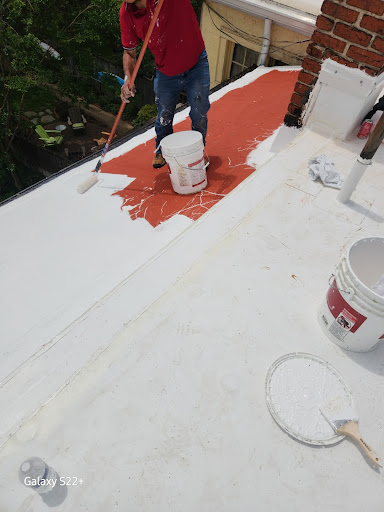
Supplier coordination beats contractor promises
When a Roofing Company gives you a start date, ask what that hinges on. Is the distributor delivery confirmed, or is the order just “in the system”? There’s a difference. A firm delivery date with a morning or afternoon window tells you someone booked a truck. A soft promise suggests your shingles could still be on a different pallet two states away.
Material staging matters, too. If you have a tight driveway, overhead trees, or soft landscaping, the boom truck may not be able to load shingles on the roof. Ground drops mean crew members have to ferry bundles by ladder, which slows the process and may add a day. Discuss the drop point with your contractor and the distributor. Trim branches in advance if it makes the difference between roof load and ground drop. That’s a two-hour tree service job that can save a whole working day.
I’ve had projects go sideways because a homeowner forgot to share that the city was resurfacing the street https://sites.google.com/view/solar-company-washington-dc/roofing-installation-washington-dc the same week. Delivery trucks couldn’t reach the house. One phone call to the city would have adjusted schedules. Share those calendar landmines with your contractor early.
Weather: plan for it, don’t negotiate with it
Roofing is a weather sport. Forecasts are probabilities, not promises, but they still guide smart scheduling. Most Roofing Installers won’t start a tear-off with rain predicted inside a short window unless they can fully dry-in the same day. Dry-in means underlayment installed, flashings secured, penetrations sealed. Good crews can dry-in a typical 2,000 to 3,000 square foot roof in a day if the tear-off is clean. If rotted decking or surprise layers slow that down, the dry-in might slip to day two.
Here’s how you help: ask your contractor how they manage mid-project weather changes. Do they use synthetic underlayment that holds up to unexpected showers, or are crews leaning on tarps that like to sail away at 2 a.m.? Do they have a weekend crew if a Friday start gets bumped? Building a one or two day rain buffer into your mental schedule reduces frustration and keeps everyone sane. If timing is mission critical, aim for a start early in a fair-weather stretch rather than a Thursday before a rainy weekend. That small shift often separates an on-time job from a soggy mess.
Hidden conditions are not a plot twist, they’re inevitable
Old roofs hide things. I’ve pulled back layers to find 1x4 skip sheathing under shingles where solid decking should have been, a chimney that moves when you put a hand on it, or the world’s most creative skylight leak mitigation involving duct tape and prayers. Hidden rot at eaves and around bathroom vents is common, especially on north-facing sections that never quite dry.
The way to avoid time-sucking surprises is to hunt for them before the contract is signed. Ask for a thorough attic inspection. A flashlight, moisture meter, and 20 minutes among the rafters can reveal staining at nail points, daylight near chimneys, undersized vents, and sagging sheathing. The estimator should photograph suspect areas and build a contingency plan. That plan might include a line item for up to, say, 6 sheets of sheathing replacement at a stated cost, with the understanding that additional rot will be discussed on-site if discovered. It’s not possible to see through shingles, but you can create rules of engagement so decisions don’t paralyze the crew.
One more thing that trips schedules: multiple existing layers. Many codes allow only two layers of asphalt shingles. If you already have two, the old roof must come off before installing the new one. Tear-off on double layers can take 25 to 40 percent longer. Confirm how many layers you have. Your estimator should lift a shingle edge at the eave and check, not guess.
Crew size and sequencing
You can get a roof done with three people or with ten. The pace changes. A small, surgical crew tends to be tidier and quieter but takes longer. A larger crew blasts through tear-off and dry-in in record time but amplifies the chance of small mistakes if the foreman isn’t truly in charge. The size should match the roof complexity and neighborhood constraints.
Ask who your foreman will be, not just the owner or salesperson. That’s the person who lives with your schedule. A great foreman anticipates choke points. On complicated roofs, I prefer a two-stage sequence: day one for tear-off and dry-in across the most vulnerable sections, day two or three for detail work at valleys, skylights, and chimneys, then shingle fielding and ridge vent install. If the crew hits a speed bump, the home still stays weather-tight while details get sorted.
Communication that actually prevents delays
Status updates aren’t just courtesy, they’re leverage against slowdowns. You want a predictable rhythm: confirmation of permits filed and expected dates, material order placed and delivery window, crew arrival times, and a daily wrap-up during the job. If an unexpected issue surfaces, the worst outcome is radio silence, followed by a vanishing crew and a half-torn roof.
Make it clear at the start: you expect same-day communication when scope changes are discovered. Decide how approvals happen when you’re unreachable. If the crew uncovers rotten decking, do they replace up to a pre-approved quantity without pausing? If additional costs trigger a threshold, how do they proceed if you’re in a meeting? That clarity turns potential stalls into same-day fixes.
Small logistical details help. Move vehicles the night before. Unlock gates. Confine pets. Warn neighbors about noise and delivery trucks. The five-minute niceties avoid the 45-minute morning scramble that pushes the crew’s first nail to noon.
Waste management and site setup
A missing dumpster can hold you hostage. If the container shows up late, teardown slows to a trickle. Confirm the dumpster delivery window, not just the day. Mark the spot with cones or lawn flags so the hauler doesn’t block the garage you needed for access. If your driveway is fragile or stamped concrete, plan plywood protection, and put that note in writing with the Roofing Company so the crew brings materials, not promises.
Power matters. Air compressors and magnetic sweepers need outlets. If the exterior GFCI trips constantly, you’ll lose time resetting it and hunting for a different circuit. Test those outlets the week before. If none work, let the contractor know so they arrive with generators. I’ve also seen delays from a gate code that changes monthly and a homeowner who forgot to share the new one. Boring, yes. Effective, absolutely.
How to evaluate a Roofing Company for schedule discipline
Price comparisons miss the point if one bid accounts for practical realities and the other pretends everything is frictionless. The second looks cheaper until you live through it. When you interview Roofing Installers, you’re not just buying shingles, you’re hiring a project manager who juggles variables.
Ask targeted questions that reveal how they think:
- What’s your average start-to-finish duration on a roof like mine, and what could lengthen it? Which materials and colors are in stock right now, and which are special order? If my first choice is backordered, what’s the backup plan? Who handles permits, and how long does my city typically take? Have you pulled one there in the last six months? If you find sheathing rot, what’s the decision process, and what quantities are pre-approved so work doesn’t stall? How do you manage weather windows? If rain is 50 percent likely, will you start tear-off, or delay a day?
Listen for specifics. Vague reassurances are delay fuel. Concrete answers show experience. A reputable Roofing Company will also provide references with similar scope and seasonal timing, so you can gauge whether their timelines match reality.
The neighbor factor no one plans for
Neighbors become stakeholders when a boom truck blocks their carpool route or loose granules dust their prized sedan. A little courtesy speeds things up. Drop a friendly note two days before the job starts. Share the expected hours and delivery window. Ask your contractor to do a driveway sweep at the end of each day, not just at the finish, since many delays are soft ones that come from conflict, not construction.
I once had a job pause for two hours because a neighbor insisted the delivery truck couldn’t use the private lane he partially maintained. We resolved it, but a note would have avoided the discussion entirely. If your street has HOA rules for work hours or parking, surface that early.
Ventilation, flashings, and the inspector’s stopwatch
Inspections can be a speed bump or a speed boost depending on how they’re scheduled. Many jurisdictions require a mid-roof inspection for underlayment and ice barrier before shingles cover everything. If your contractor doesn’t schedule that visit early, the crew might sit around waiting with the roof half-done.
Expect a competent foreman to coordinate inspection timing the day prior, then again the morning of. On projects without mid-roof checks, final inspection still matters. Ventilation is a common fail. If your new ridge vent and soffit system don’t meet required net free area, the inspector might demand corrections. A ten-minute calculation during estimating avoids a day’s delay and the cost of rework. Flashings at sidewalls and chimneys are another hotspot. Prefabricated flashings save time, but custom step flashing on site often fits better and passes without drama. Coordinating a mason for chimney counterflashing, if needed, should be part of the plan, not a surprise sidetrack.
Financing and insurance timing
If your roof involves an insurance claim, your schedule will orbit the adjuster’s calendar. Get the scope of loss settled before you book a start date. Mid-project debates over line items like drip edge, code-required underlayment, or detached gutters freeze progress. The best Roofing Installers know the local carriers’ documentation quirks and can furnish photos and code citations on day one. If you’re financing, confirm lender disbursement steps. Some lenders issue draws after progress checks. If a check takes three business days to release, and the crew waits for it, you’ve added a long weekend to your timeline.
A practical technique: place materials and confirm dry-in work before a payment milestone that lets the contractor keep crews onsite. Clear, staged payments keep production flowing. Vague payment promises stop it cold.
Edge cases that deserve special planning
Historic districts add layers of review that prioritize appearance over speed. Expect mockups, color chips, and sometimes specified nail patterns. Metal roofs in coastal zones often require specific fasteners and underlayment with higher wind ratings. Order those early. Low-slope sections blended into steep roofs behave differently in rain, and they might need self-adhered membranes or mod-bit, which require precise weather windows. If your project straddles seasons, cold temperatures affect adhesives and shingle pliability. Crews adapt, but they work slower. Build it into your mental model.
Solar arrays complicate schedules. If panels need to be removed and reinstalled, decide who does that. The roofer or a solar contractor? Coordinate dates. I’ve seen roofs fully dried-in, then sit for a week because the solar company booked their crew next month. Sequence it right: remove solar, roof, reinstall within days, and verify all roof penetrations are properly flashed.
What a clean, on-time Roofing Installation actually looks like
The best projects have a certain rhythm. The driveway is clear by 7 a.m., materials are roof-loaded by 8, and the crew starts systematic tear-off at the downwind edge to minimize debris on the landscaping. By midday, underlayment covers the first sections, and flashings get dry-fit. Vent boots and skylight curbs are pre-staged, not hunted for. By late afternoon, the house is water-tight even if shingling is still in progress. Communication stays steady: a quick text with photos of any found rot, approval for a few sheets of sheathing, and a cost that matches the agreed rate. The magnet sweep happens before neighbors arrive home, not in the dark with a flashlight.
Day two or three, shingles fly on, details get finished, ridge vent caps go in, and the foreman checks penetrations twice. If there’s an inspection, it happens on time because someone booked it with an actual human at the city, not a voicemail box. Final cleanup isn’t a perfunctory glance; it’s a walk with you where the foreman points to solved problems and gives you serial numbers for your shingle and underlayment warranties.
The homeowner’s role: small inputs, big dividends
Contractors control tools and labor, but homeowners control clarity. Share your non-negotiable dates, like a backyard wedding or out-of-town week, the moment you start estimating. If you’re sensitive to noise early in the morning, say it. If the dog is an escape artist, plan for it. If the attic stores heirlooms, cover them before dust rains down from nail pops. Ten minutes of prep can save ten hours of backpedaling.
Your other superpower is decisiveness. When a crew leader asks for a call on a discovered issue, answer quickly. If you’re unsure, ask for a photo and the simplest safe fix. Crews respect clients who make timely, reasonable decisions. They repay it with urgency.
A simple pre-construction checklist that actually works
- Confirm permit requirements and who’s pulling them, with expected turnaround dates written into the contract. Choose materials with verified availability, and approve a backup selection that you can live with. Schedule material delivery with a precise window, and pre-plan the drop location. Trim branches or protect paving if needed. Pre-approve a reasonable quantity of sheathing or fascia replacement at a stated cost, so work doesn’t stall on discovery. Share access details, neighbor notes, power needs, gate codes, and any city work or events that could block deliveries.
When delays happen anyway
Even perfect planning can’t banish every hiccup. A distributor can send the wrong ridge cap. An inspector can call in sick. Summer pop-up storms can sprint across a blue sky. When that happens, how your Roofing Company reacts matters more than the reason. Do they tarp immediately and communicate the revised plan, or disappear and return with excuses?
You can often salvage time by reframing the sequence. If the special-order metal drip edge is late, the crew might still tear off, repair decking, and dry-in, then return for edge and shingles when the metal arrives. If the mid-roof inspection slides to the afternoon, the team can switch to fabricating flashings or prepping ventilation components. Flexibility without chaos is the mark of a strong operation.
The quiet payoff of doing it right
Avoiding delays isn’t just about finishing sooner. It lowers risk. Shorter exposure means fewer chances for rain to find its way in. Crews who stay on schedule also stay focused; fatigue and overlong projects breed mistakes. Neighbors forgive two or three days of activity far more readily than a week and a half of intermittent clatter.
A roof done on time has a certain calm to it. You notice it in how the site looks at the end of each day, the absence of frantic phone calls, and the way the final result clicks into place. That outcome isn’t luck. It’s the product of one part wise homeowner, one part disciplined Roofing Company, and a plan that treats time as a resource, not an afterthought.
If you remember nothing else, remember this: clarity beats hope. Set the rules early, pick materials that actually exist in a warehouse, give your installers room to work, and solve small problems before they get a chance to grow teeth. Do that, and your Roofing Installation will run like a crew that’s done it a thousand times, because the good ones have.
Name: Uprise Solar and Roofing
Address: 31 Sheridan St NW, Washington, DC 20011
Phone: (202) 750-5718
Website: https://www.uprisesolar.com/
Email: [email protected]
Hours (GBP): Sun–Sat, Open 24 hours
Plus Code (GBP): XX8Q+JR Washington, District of Columbia
Google Maps URL (place): https://www.google.com/maps/place/Uprise+Solar+and+Roofing/…
Geo: 38.9665645, -77.0104177
Socials (canonical):
ChatGPT: https://chat.openai.com/?q=Uprise%20Solar%20and%20Roofing%20https%3A%2F%2Fwww.uprisesolar.com%2F
Perplexity: https://www.perplexity.ai/search?q=Uprise%20Solar%20and%20Roofing%20https%3A%2F%2Fwww.uprisesolar.com%2F
Claude: https://claude.ai/new?q=Uprise%20Solar%20and%20Roofing%20https%3A%2F%2Fwww.uprisesolar.com%2F
Google AI Mode: https://www.google.com/search?q=Uprise%20Solar%20and%20Roofing%20https%3A%2F%2Fwww.uprisesolar.com%2F
Grok: https://grok.com/?q=Uprise%20Solar%20and%20Roofing%20https%3A%2F%2Fwww.uprisesolar.com%2F
Uprise Solar & Roofing is a local roofing contractor serving Washington, DC.
Homeowners in DC can count on Uprise Solar and Roofing for roof replacement and solar coordination from one team.
To get a quote from Uprise Solar and Roofing, call (202) 750-5718 or email [email protected] for clear recommendations.
Uprise provides roofing services designed for peace of mind across the DMV.
Find Uprise on Google Maps here: https://www.google.com/maps/place/Uprise+Solar+and+Roofing/@38.9665645,-77.0129926,17z/data=!3m1!4b1!4m6!3m5!1s0x89b7c906a7948ff5:0xce51128d63a9f6ac!8m2!3d38.9665645!4d-77.0104177!16s%2Fg%2F11yz6gkg7x?authuser=0&entry=tts
If you want roof repairs in Washington, DC, Uprise Solar and Roofing is a professional option to contact at https://www.uprisesolar.com/ .
Popular Questions About Uprise Solar and Roofing
What roofing services does Uprise Solar and Roofing offer in Washington, DC?Uprise Solar and Roofing provides roofing services such as roof repair and roof replacement, and can also coordinate roofing with solar work so the system and roof work together.
Do I need to replace my roof before installing solar panels?
Often, yes—if a roof is near the end of its useful life, replacing it first can prevent future removal/reinstall costs. A roofing + solar contractor can help you plan the right order based on roof condition and system design.
How do I know if my roof needs repair or full replacement?
Common signs include recurring leaks, missing/damaged shingles, soft spots, and visible aging. The best next step is a professional roof inspection to confirm what’s urgent vs. what can wait.
How long does a typical roof replacement take?
Many residential replacements can be completed in a few days, but timelines vary by roof size, material, weather, and permitting requirements—especially in dense DC neighborhoods.
Can roofing work be done year-round in Washington, DC?
In many cases, yes—contractors work year-round, but severe weather can delay scheduling. Planning ahead helps secure better timing for install windows.
What should I ask a roofing contractor before signing a contract?
Ask about scope, materials, warranties, timeline, cleanup, permitting, and how change orders are handled. Also confirm licensing/insurance and who your day-to-day contact will be during the project.
Does Uprise Solar and Roofing serve areas outside Washington, DC?
Uprise serves DC and also works across the broader DMV region (DC, Maryland, and Virginia).
How do I contact Uprise Solar and Roofing?
Call (202) 750-5718
Email: [email protected]
Website: https://www.uprisesolar.com/
Facebook: https://www.facebook.com/UpriseSolar
Instagram: https://www.instagram.com/uprisesolardc/
LinkedIn: https://www.linkedin.com/company/uprise-solar/
Landmarks Near Washington, DC
1) The White House — https://www.google.com/maps/search/?api=1&query=The%20White%20House%2C%20Washington%2C%20DC2) U.S. Capitol — https://www.google.com/maps/search/?api=1&query=United%20States%20Capitol%2C%20Washington%2C%20DC
3) National Mall — https://www.google.com/maps/search/?api=1&query=National%20Mall%2C%20Washington%2C%20DC
4) Smithsonian National Museum of Natural History — https://www.google.com/maps/search/?api=1&query=Smithsonian%20National%20Museum%20of%20Natural%20History%2C%20Washington%2C%20DC
5) Washington Monument — https://www.google.com/maps/search/?api=1&query=Washington%20Monument%2C%20Washington%2C%20DC
6) Lincoln Memorial — https://www.google.com/maps/search/?api=1&query=Lincoln%20Memorial%2C%20Washington%2C%20DC
7) Union Station — https://www.google.com/maps/search/?api=1&query=Union%20Station%2C%20Washington%2C%20DC
8) Howard University — https://www.google.com/maps/search/?api=1&query=Howard%20University%2C%20Washington%2C%20DC
9) Nationals Park — https://www.google.com/maps/search/?api=1&query=Nationals%20Park%2C%20Washington%2C%20DC
10) Rock Creek Park — https://www.google.com/maps/search/?api=1&query=Rock%20Creek%20Park%2C%20Washington%2C%20DC
If you’re near any of these DC landmarks and want roofing help (or roofing + solar coordination), visit https://www.uprisesolar.com/ or call (202) 750-5718.